

@’s by Patrick Meaney
Director of THE IMAGE REVOLUTION!!!
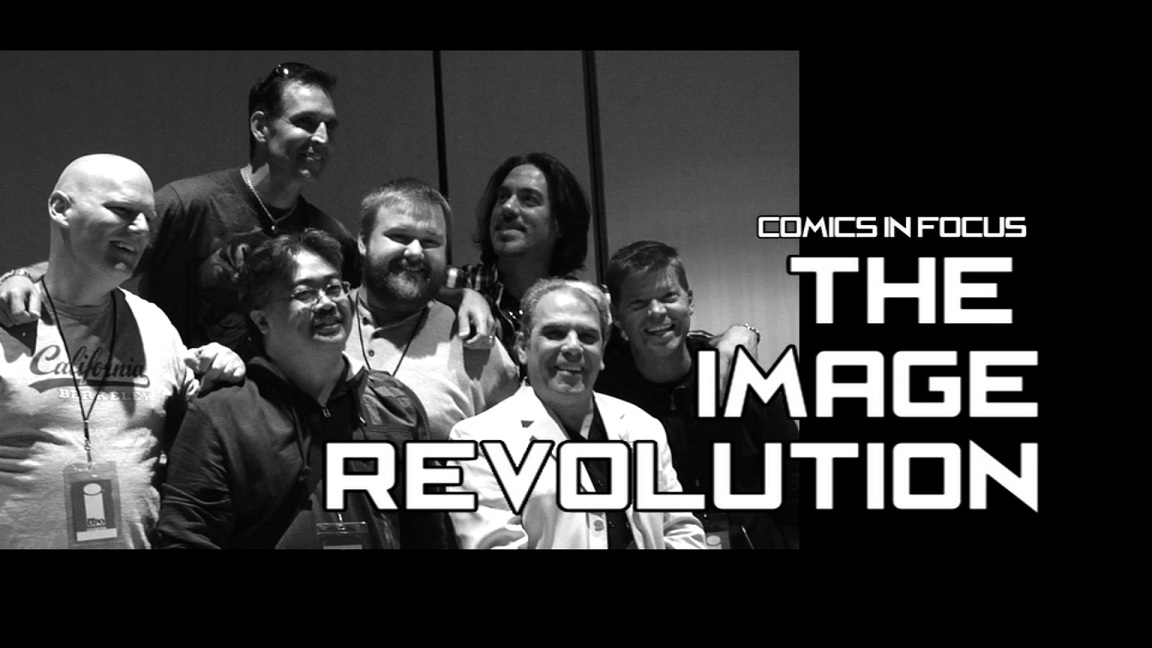 AMBUSH BUG (BUG): So tell me about this new project you have going on. It seems like this time around you are focusing on the creation of Image Comics.
PATRICK MEANEY (PM):That's correct. After wrapping up WARREN ELLIS: CAPTURED GHOSTS last year, I knew that there wasn't any single person in comics that I wanted to do a project about next, but someone suggested I do a project on the history of Image, and that just seemed like a perfect project. There's a lot of wild personalities, controversy and the twentieth anniversary of the company's founding makes it the perfect time to look back and reflect on how far Image has come. The doc is going to trace not just the creation of Image, but also its development over the past twenty years.
BUG: Kickstarter seems to be a pretty popular mode of getting a film made. What made you decide to use the program to get your documentary off the ground?
PM: I'd love to do things a more traditional way and just get money from someone to do the project, but with these comics docs we're dealing with a small but dedicated audience, which is not so great for a big money investment, but perfect for Kickstarter. Kickstarter is also a way to gauge interest in the project. We've had a lot of donations so far, and a lot of enthusiasm about the project, and hopefully in the next week, we'll get the money we need to reach our goal.
More generally, I think film is moving away from the big media conglomerate model of ownership towards a more fan-centric internet-driven production model. Distribution is tough, and being able to cut out the middle man and get your money direct from the people who want the project made is a great way to both get people invested in your film and ensure that you can make that film in the first place.
I'm curious to see what the upper limits of Kickstarter are. If Neil Gaiman said he was going to produce a SANDMAN TV show, but needed $20 million for the first season, could he raise that amount? I'm not sure, but I think Kickstarter is going to be more and more important in independent film production as time goes on.
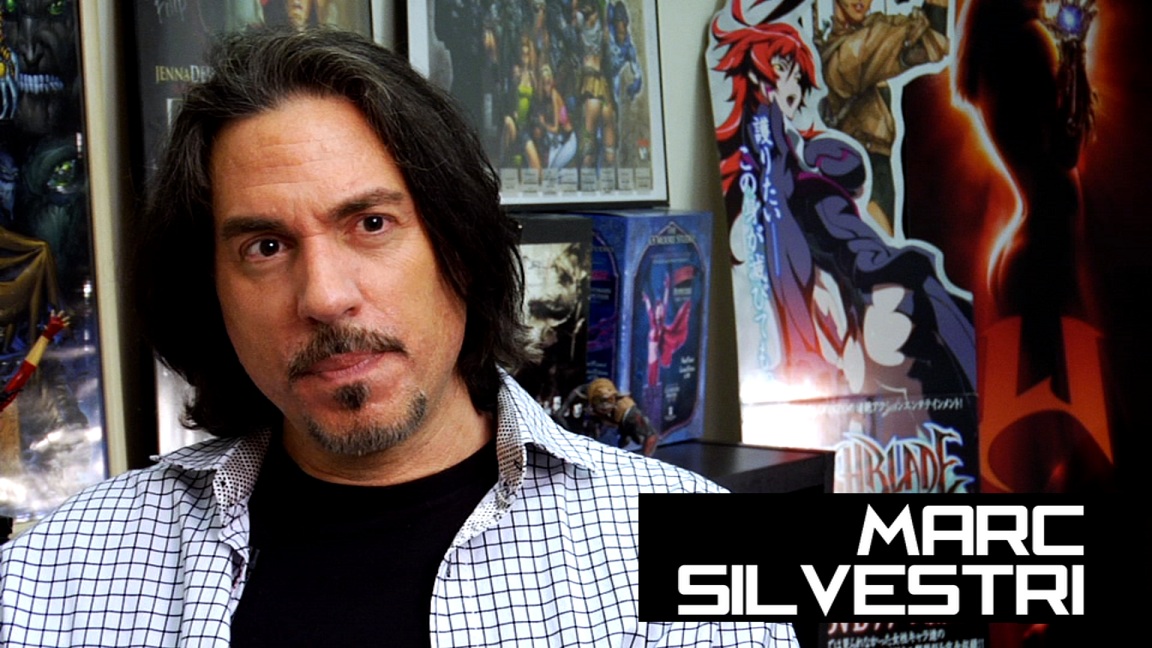 BUG: Did you buy Image Comics when they first came out?
PM: I didn't, actually. At the time, I was really young, and wasn't reading comics yet. But, in the years since, I've read a bunch of those early titles, and also heard a lot of stories about the formation of the company.
BUG: Tell me why you chose this particular event in comics' history in your documentary.
PM: If you look at the history of comics, creator rights has been a massive issue and problem from the 1940s on. Mainstream comics is an industry built on the backs of creations owned by companies, but created by people, and those people have generally been treated quite poorly. Just this week, there's another WB Superman lawsuit and the controversy over BEFORE WATCHMEN.
So, to break with years of corporate ownership and create a company that legitimately offers creators complete and total control over their creations was hugely radical, and to have the seven biggest superstars in the industry form that company was a seismic shock to the industry as a whole. You can quibble with the actual quality of those early books, but I think few people would have bad things to say about the Image contract and structure they set up, and the fact that it's still thriving twenty years later shows the importance of what they did.
That's very important, but alone doesn't make this doc worthy. What I think makes it such an interesting story is the multitude of huge personalities involved in the story. I could listen to Todd McFarlane talk all day--he's just that kind of magnetic person--and then you have six other guys with equally important stories and perspectives. It's really exciting to tackle.
BUG: How far into filming are you with this documentary?
PM: We shot a bunch of material at Image Expo in February, and I've been picking up a few interviews over the past month. But the Kickstarter money is important for travel and figuring out just how many interviews we can actually shoot. I know we'll do the seven founders, but I'm also hoping to interview a lot of people who have been involved with Image over the past twenty years and made an impact there.
If all goes well, we'll shoot a bunch of interviews over the next two months, and pick up anyone else we need at SDCC in July.
 BUG: What have you found out so far in your investigations?
PM: One thing I wasn't aware of is just how much money they were making back in the early 90s. All those delays make sense once you realize that they were pulling down $500,000 or more an issue for those early Image books. If I could make that kind of money off drawing one comic, I'd probably slow up my pace a bit too. It's crazy thinking that these guys were mostly in their mid to late 20s, and all of a sudden are millionaires.
What interests me most so far is really looking at the different paths that everyone has taken, and seeing how they could all start with the same goal back in the 90s and wind up building a toy company, running DC Comics, or just writing and drawing the same book for 20 years.
Also, one thing I kind of knew but wasn't fully aware of until I started talking to people is just how radical the Image deal is. Image the company has NO ownership of their properties. They make no money off THE WALKING DEAD’s TV option, and they make the same amount of money off every single issue whether the comic sells one copy or a million copies. It's pretty revolutionary to know that Robert Kirkman is making all the money from the WALKING DEAD series, and Image's only benefit is in increased sales of comics and TPBs. Nobody in film owns their own properties, nobody in TV owns their show. Corporations own those properties, and even though comics lagged behind in creator rights for a long time, Image created a template that is radical and really benefits the creator.
And I think we're only going to see more big name creators going there, since it's going to give them more control over film and TV adaptations of their properties, as well as creative control in the comics themselves. For someone like Mark Millar, who seems to have an instant option on every comic he writes, there's no reason to split that with a publisher.
BUG: Is there a particular method to attaining info and interviews and then editing them together that you use?
 PM: At this point, having done two full docs, I have a better sense of which questions will lead to answers you can actually use and which are less likely to be relevant. It's harder in the early going, since you're not quite sure what the film will be about. With Grant, I asked a wide variety of questions about all kinds of different topics before realizing in editing that the film would be structured around the symbiotic development of Grant's life and work, and the crossover points between the two.
With Warren, I was trying to do the same thing, and realized that theme didn't fit. But I kept hearing in interviews about the impact Warren made on peoples' lives through the internet and his online network, so that became a key component of the film. And, once I saw that, I was able to ask people questions that would get at an emotional reaction to Warren, and show the impact he had made on their lives.
In any documentary, there's an element of the author's hand guiding events, but I always try to remain as invisible as possible and let the film figure itself out, rather than going in and saying, the film will be about this and trying to make that stick no matter what. So, with only a few interviews done, I have a sense of what the Image story is, but am still working it out in editing and hearing more stories from people.
BUG: In the previous docs I've seen from you (GRANT MORRISON: TALKING WITH GODS and WARREN ELLIS: CAPTURED GHOSTS), you had a huge cast of folks from inside and outside of the industry. How do you go about choosing your interviewees?
PM: I was really committed to getting a diverse array of voices and being as thorough as possible with interviews. So, I'd start out with a dream list of people, which usually included artistic collaborators, other writers and colleagues, and a few big name people as well. But my biggest guide was the people that Grant or Warren would talk about.
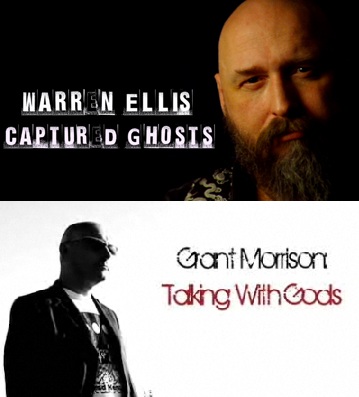 In the case of Warren, I started out with a relatively small network of people, but everyone we interviewed seemed to direct us to another person we had to talk to, and that led me on a trail far outside of comics to futurists, scientists, actors, inventors and all kinds of other people. And I think having all those different perspectives makes the film stronger. Most artists who worked with Warren have a similar experience, but an inventor who works with him is going to bring a wildly different perspective.
BUG: What did you learn from making your previous documentaries that you are applying to this one?
PM: The biggest thing is being more decisive in what will and won't end up in the film. My first edit of Grant Morrison was three hours because I was reluctant to cut a good bite, or not include stuff about SEVEN SOLDIERS, say, since I loved that book so much. But by the time I finished that film, I had a better sense of what would actually fit into the final movie, and was able to cut quicker. By now, I have a good sense of what's a good story that fits into the movie, and what's a good story or anecdote that wont' really have a place in the finished product.
BUG: Do you go into these docs with a particular theme you expect to explore, or does it come naturally out of the interviews?
PM: As I mentioned earlier, I start with a basic idea and outline to guide the questions, but most of the final film is an organic development from what people say. I edit as we go, and that is really key in figuring out the priorities in later interviews, and determining what the story is.
BUG: Say the project gets the funding. How soon can we see this film?
PM: I'm targeting a debut in October, around New York Comic Con time, but like George RR Martin learned, don't give out dates until you're totally sure of them, so that's a rough estimate, but it'll take as long as it takes.
BUG: Where can folks find out more about this project?
PM: Our Kickstarter page has the trailer and all the relevant info. There's more here on Sequart.org, and you can keep an eye on my Twitter (@patrickmeaney) for all the latest updates as they happen.
BUG: Last chance: why should folks support this project?PM: There's a couple of big reasons. One is it's a fantastic story. Image is a totally unique company in all media, and as more and more artists become entrepreneurs via Kickstarter and self distribution online, it's a great template for how artists can work together to build something. But it's also about seven contentious figures in comics, and the struggles and troubles along the way. Any time you have that much money flowing into a new business, there's going to be some crazy stuff going on.
And, on a personal note, I'd add that these projects aren't being done by a giant conglomerate. It's a very small group of people making the films, and it's something I love doing, but we can't do it without fan support to ensure that these stories can be told and get out there. Every dollar we get on Kickstarter will go towards making this the best film it can be, and ensuring it can exist. And I really appreciate that support.
BUG: Thanks so much for taking the time to talk with me. Best of luck with the documentary!
PM: Thanks Mark! I can also mention that in addition to the Image doc, I'm prepping for the release of a special edition version of GRANT MORRISON: TALKING WITH GODS, which should be shipping to comics stores in May. It has a new bonus disc with over 70 minutes of additional footage with Grant, Frank Quitely and others. And, if you already have the original DVD, you can buy just the new disc Halo-8. And, I'm also working on a short film called THE VIRAL MAN, which stars comic writer/actress Brea Grant. We're just about done with shooting, and you can catch a sneak peek of that here.
BUG: Sounds good. If you're like me and are as intrigued as I am about what Patrick has dug up on the creation of Image Comics, support THE IMAGE REVOLUTION on Kickstarter!
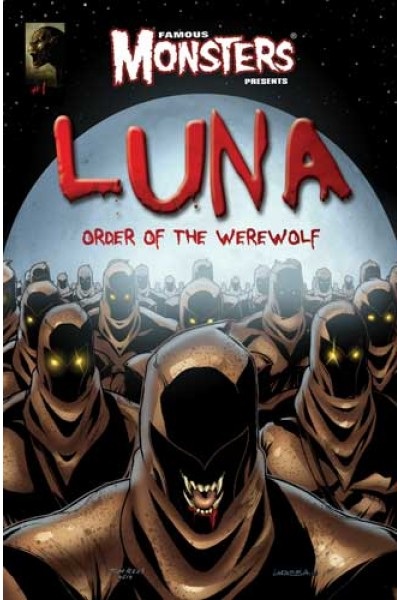
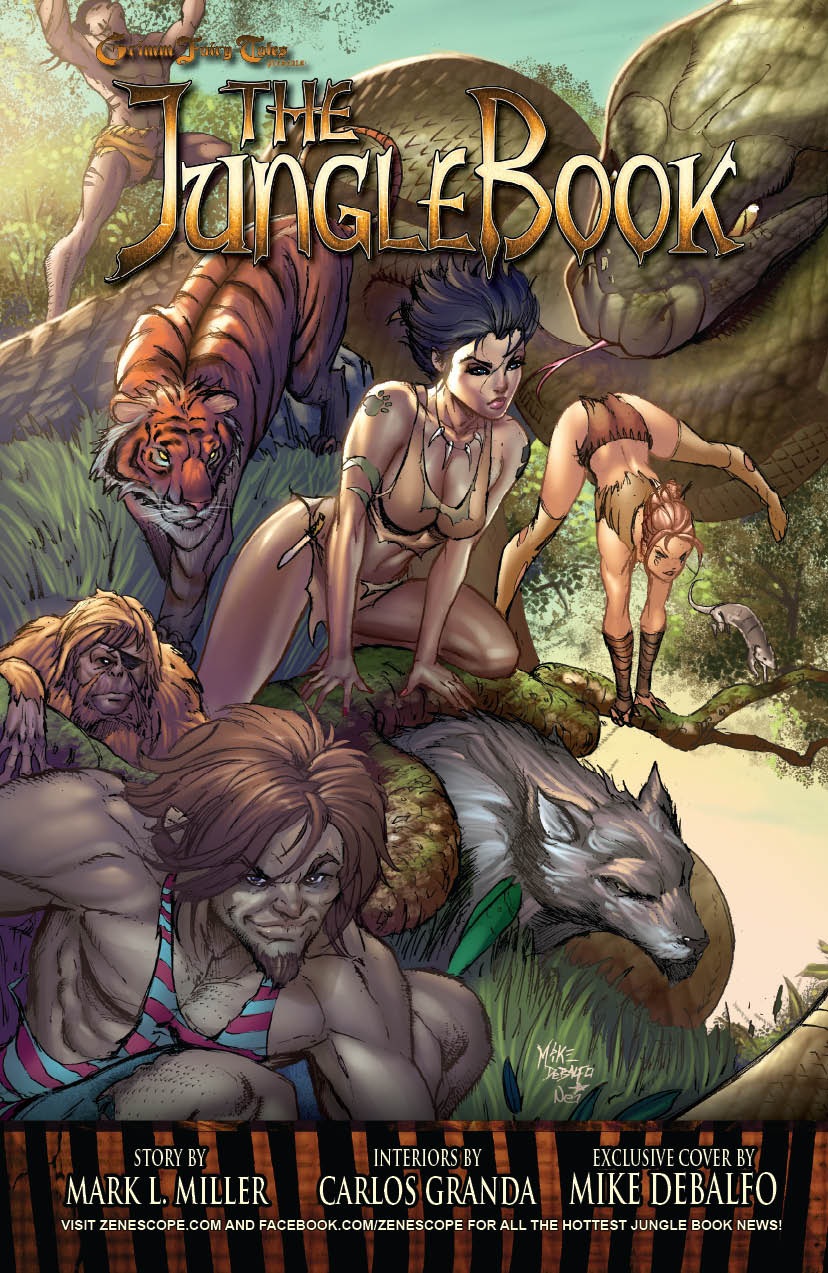 Ambush Bug is Mark L. Miller, original @$$Hole/wordslinger/reviewer/co-editor of AICN Comics for over ten years. He has written comics such as MUSCLES & FIGHTS, MUSCLES & FRIGHTS, VINCENT PRICE PRESENTS TINGLERS & WITCHFINDER GENERAL, THE DEATHSPORT GAMES, WONDERLAND ANNUAL 2010 & NANNY & HANK (soon to be made into a feature film from Uptown 6 Films). He is also a regular writer for FAMOUS MONSTERS OF FILMLAND & has co-written their first ever comic book LUNA: ORDER OF THE WEREWOLF (to be released in October 2012 as an 100-pg original graphic novel). Mark has just announced his new comic book miniseries GRIMM FAIRY TALES PRESENTS THE JUNGLE BOOK from Zenescope Entertainment to be released in March 2012.
Proofs, co-edits & common sense provided by Sleazy G
